Introduction
Home relocation usually involves timing pressure, heavy lifting, and a long list of small risks. Many households try to manage everything at once, then lose hours to packing gaps, blocked access, or damaged items. Furniture movers reduce that strain through planning, lifting skill, and practical equipment. Their value goes beyond transport. A capable crew helps protect flooring, door frames, fragile pieces, and, just as important, the people moving through our homes.
Planning Cuts Delays
During early planning, families often compare access, parking, stair widths, and lifting limits before booking furniture movers in auckland. That research matters because local traffic, narrow drives, and wet weather can slow loading. A team that knows common route issues can stage items better, reduce idle time, and keep heavy pieces from scraping walls or door frames.
Trained Lifting Lowers Injury Risk
Back strain, crushed fingers, and twisted knees often happen during awkward lifts. Skilled crews use controlled posture, shared timing, and clear signals before moving weight. Each person knows where to stand, when to pivot, and how to protect joints. That method cuts sudden slips and helps bulky furniture pass through tight spaces without risky rushing.
Packing Order Speeds Unloading
Fast moves start with smart packing order, not brute force. Movers usually group cartons by room, priority, and weight before the truck fills. Beds, tables, and daily essentials stay easier to reach. Later, unloading becomes quicker because the right items leave first. Families settle sooner, with less searching through stacked boxes at dusk.
Equipment Prevents Damage
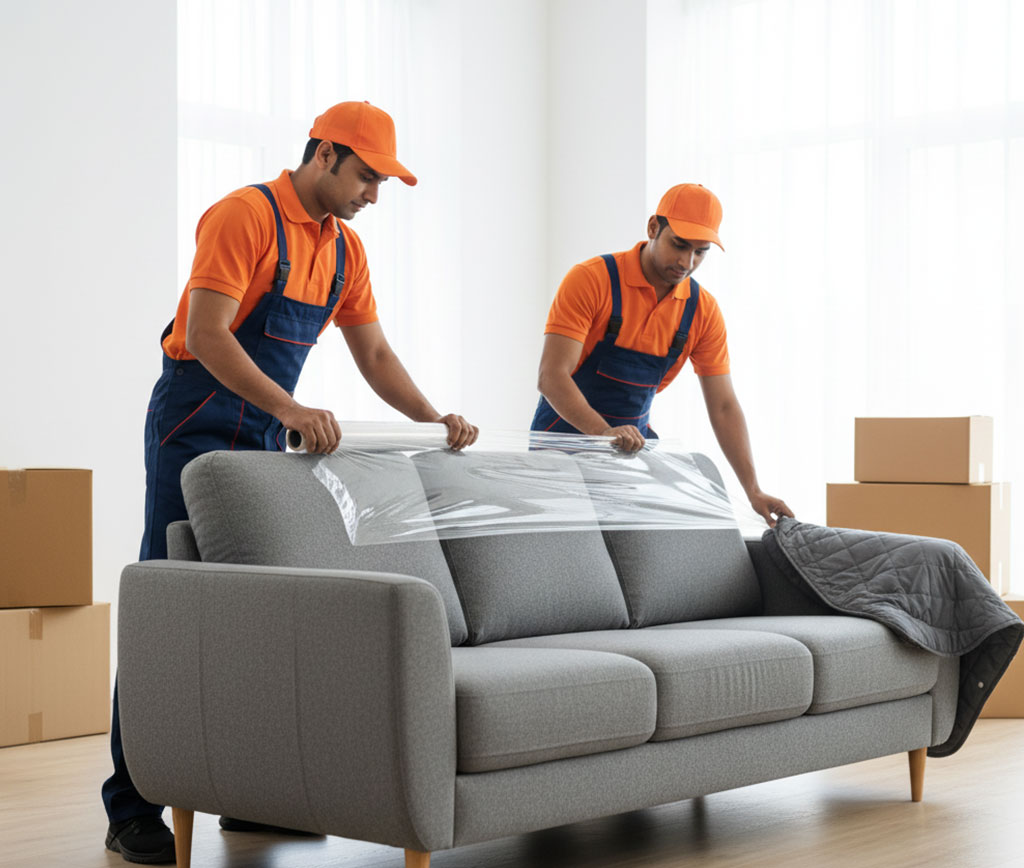
Professional crews bring tools that many households do not keep on hand. Dollies, sliders, blankets, straps, and trolley systems reduce drag across timber, tile, or carpet. Corners receive padding before sharp turns near painted walls. That simple preparation protects surfaces and keeps polished furniture from chipping during contact with steps, gates, or narrow entrances.
Route Timing Matters
Travel speed depends on more than distance alone. School traffic, road works, apartment lift bookings, and loading zone limits can disrupt a simple plan. Experienced teams build around those limits before move day starts. As a result, trucks spend less time waiting, and households avoid late arrivals that compress unloading into rushed evening hours.
Large Items Need Disassembly
Wardrobes, bed frames, and sectional sofas often move better in smaller parts. Movers assess what should come apart before carrying begins. Screws, brackets, and fittings are usually sorted into labelled bags for reassembly later. That process saves space inside the truck and lowers the chance of gouges, snapped legs, or stuck furniture blocking a hallway.
Insurance Depends on Process
Safer relocation is also about documented handling. Reputable moving teams follow checklists, item counts, and condition notes before the vehicle leaves. Those records create a clear trail if damage appears later. Good process also supports accountability on site. Everyone understands which pieces need extra padding, slower carrying, or special placement during unloading.
Communication Keeps Crews Aligned
Moves lose time when instructions change without warning. Strong crews confirm room labels, fragile pieces, and first-off items before lifting starts. One person often leads placement decisions inside the new property. That keeps cartons from landing in the wrong area. Clear direction also reduces repeat carrying, which drains energy and raises breakage risk.
Children and Pets Stay Safer
Relocation day creates unusual hazards for children and animals. Doors stay open, paths fill with boxes, and sharp corners move through busy rooms. Movers help by keeping walkways clear and heavy lifting contained to defined zones. That structure lowers confusion inside the home. Families gain space to supervise dependents while the crew handles physical work.
Cost Often Follows Efficiency
Many households focus on hourly rates first, yet wasted time can raise total cost quickly. Delays from poor packing, missing tools, or blocked truck access add up across a full day. Efficient movers often shorten the schedule enough to offset higher rates. Fewer breakages can also reduce replacement expense, which changes the real value calculation.
Conclusion
Furniture movers make relocation faster and safer because they combine planning, lifting skill, equipment, and route awareness in one service. Their work protects people first, then property, then time. That order matters. A move that avoids injury, damage, and repeated handling usually feels calmer from start to finish. For households facing stairs, weather, traffic, or large items, trained help can turn a stressful shift into a controlled, workable change.