Introduction
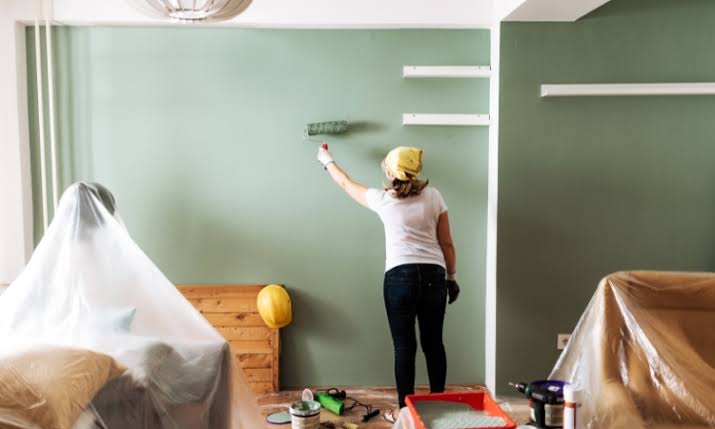
A fresh interior paint job changes how a home feels, photographs, and sells. Buyers often judge upkeep within minutes, and worn walls can suggest larger maintenance gaps. Clean colour transitions, sharp lines, and balanced finishes create a stronger first impression. Skilled painters also help rooms feel brighter, larger, and more cohesive. That mix of visual comfort and perceived care can support stronger offers, shorter listing periods, and better day-to-day enjoyment for current residents.
First Impressions
Real estate decisions often begin with emotion, then shift into numbers. Neutral tones, smooth surfaces, and consistent coverage help buyers focus on space rather than flaws. In that context, many owners research local specialists such as Interior House Painters in Auckland after seeing how interior presentation shapes perceived quality, buyer confidence, and room-to-room flow before a valuation even begins.
Value Signals
Interior painting sends a clear message about maintenance standards. Crisp walls suggest that ceilings, trims, and joinery have also received care. Appraisers and buyers may not raise value for paint alone, yet neglected interiors can pull expectations down fast. A tidy finish supports stronger perceived condition, which often helps homes compete more effectively in crowded local markets.
Colour Choice
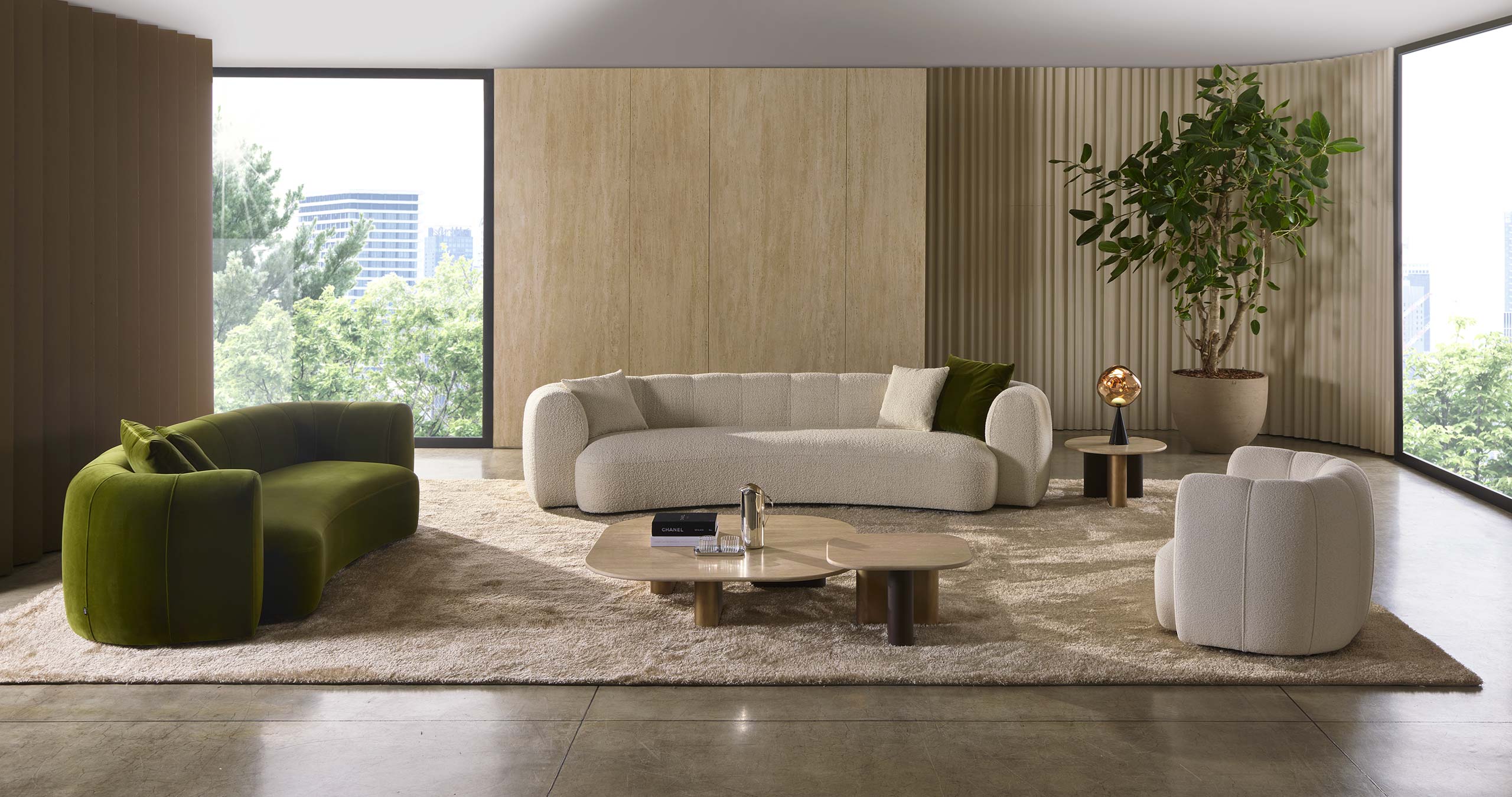
Colour affects mood, light reflection, and spatial balance. Soft whites, warm greys, and muted earth tones usually attract broader buyer interest. Bold feature walls can still work, though placement matters. A painter with colour knowledge can guide choices that suit flooring, natural light, and room size. That advice reduces visual conflict and helps each area feel connected.
Surface Preparation
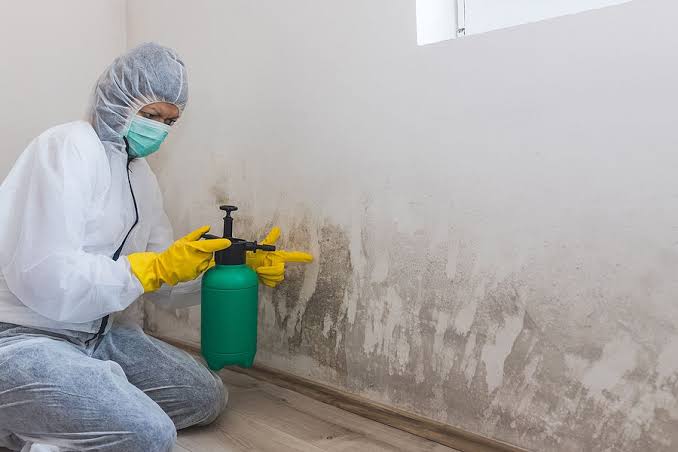
Preparation often separates average outcomes from lasting ones. Filling cracks, sanding rough patches, and sealing stains create a stable base. Without that stage, even premium paint can look uneven or fail early. Buyers notice bubbling, patch marks, and poor edging. Proper preparation protects the finish, improves durability, and supports a cleaner overall appearance across the home.
Better Light
Paint changes how light travels through a room. Lighter finishes bounce daylight deeper into hallways, bedrooms, and living spaces. That effect can reduce the heavy feel of narrow areas. Satin and low-sheen options also soften glare while keeping surfaces easy to clean. Brighter interiors usually photograph better online, which matters because listings often win or lose attention on screens first.
Room Function
Different rooms need different paint strategies. Kitchens, bathrooms, and laundries benefit from moisture-aware products with washable finishes. Bedrooms usually suit softer tones that support rest. Living zones often benefit from colours that feel warm without becoming dull. Matching paint type to room function helps the home stay attractive longer, which protects both visual appeal and future resale potential.
Trim and Detail
Doors, trims, skirting boards, and window frames quietly shape the final result. Fresh walls can still look unfinished if those details remain scuffed. Repainting trims sharpens contrast and gives rooms a more complete appearance. Straight cut lines also matter. Small errors become visible quickly against light colours, so precise workmanship adds polish that buyers and guests usually notice right away.
Consistency
A home feels more expensive when colours and finishes follow a clear plan. Random shifts from room to room can make the layout seem fragmented. Consistency does not mean sameness. Subtle variation works well when undertones stay compatible. Professional painters help create that rhythm, allowing each room to keep its purpose while still supporting a unified visual story.
Cost Efficiency
Interior painting remains one of the more accessible home improvements. Full renovations often require larger budgets, longer schedules, and more disruption. Paint delivers visible change without altering the floor plan. That makes it useful before listing, after purchase, or during routine upkeep. The return depends on product quality and application standards, so poor workmanship can weaken savings over time.
Timing Matters
Painting at the right stage can prevent extra expense later. Completing the work before staging, new flooring, or major furniture delivery simplifies access and protects new surfaces. Owners planning a sale often benefit from painting early enough for curing and styling. That timing allows photographs, inspections, and open homes to show rooms at their cleanest and most settled.
Conclusion
Interior house painters improve more than wall colour. Their work shapes buyer perception, supports maintenance signals, and creates rooms that feel calm, bright, and well planned. Strong preparation, informed colour selection, and careful detailing can lift a home’s appeal without major structural change. For owners focused on resale or comfort, interior painting remains a practical upgrade. Done well, it helps properties present with confidence and leaves a stronger impression in every room.