Introduction
A stylish home rarely starts with color alone. Most rooms look polished when scale, texture, and function support one another from the first decision. Furniture retailers play a useful part because they gather options, measurements, and material choices in one place. That access lets households compare shapes, test comfort, and judge proportion. Clear displays and informed staff give us a stronger basis for choices that shape daily routines.
Layout First
Many households begin with a rough plan, room measurements, and a budget that keeps decisions sensible. During that early stage, browsing furniture retailers in Auckland helps people compare scale, finishes, and useful features before any order. That simple review often prevents awkward gaps, bulky silhouettes, and costly returns after delivery.
Size Sets Tone
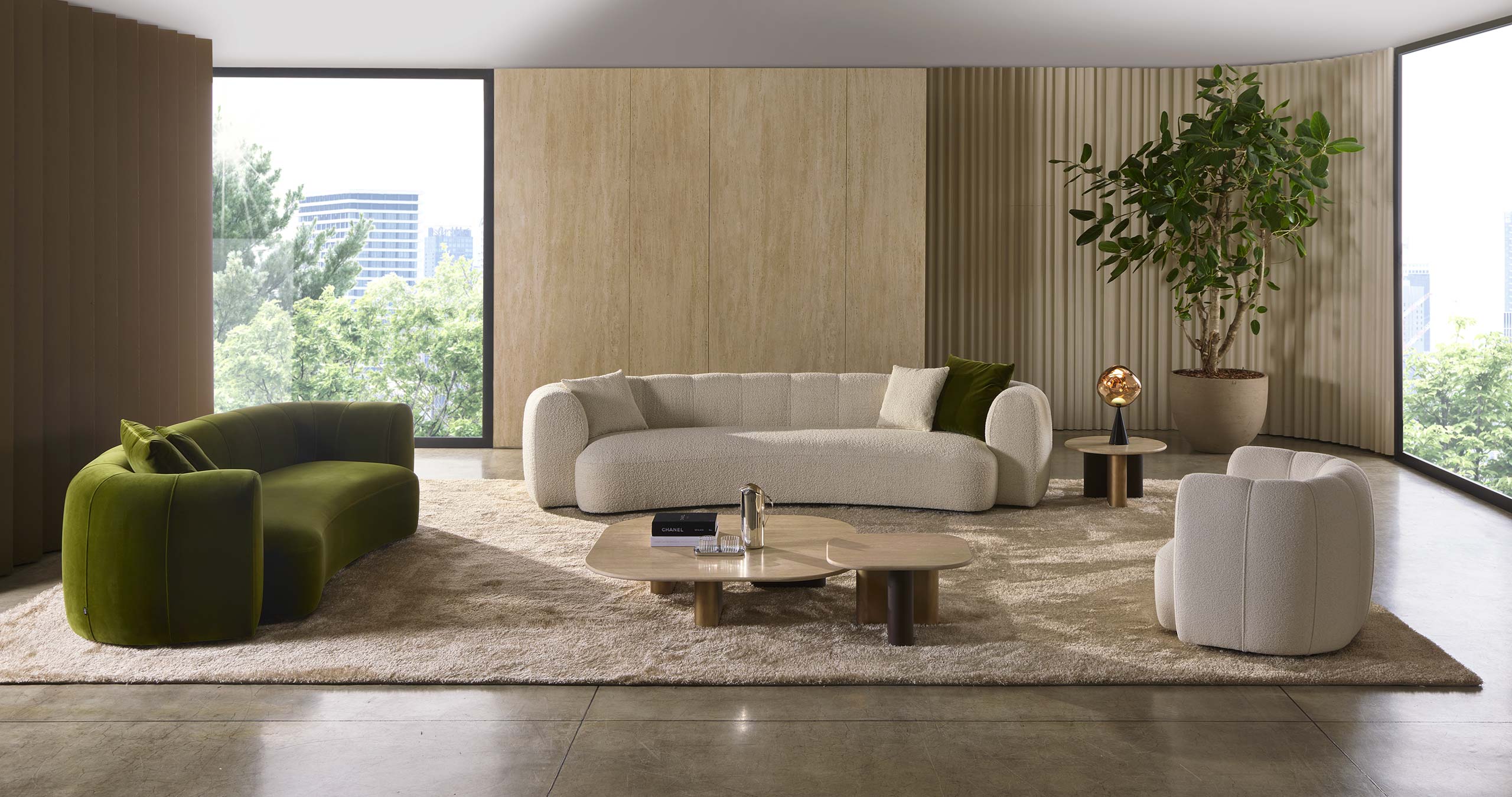
A retailer can show why width, height, and depth matter more than trend labels. A low sofa may open sightlines, while a tall headboard gives a plain room firmer presence. Seeing those contrasts side by side helps households judge proportion faster than any product photo, especially in compact homes where every centimetre affects movement, comfort, and visual calm.
Materials Change Mood
Texture influences mood as much as shape. Timber adds warmth, upholstery softens hard edges, and metal can sharpen a modern setting without making it feel cold. Good retailers let people touch fabrics, inspect stitching, and compare finishes in person, which reduces guesswork and helps households choose surfaces that suit children, guests, pets, and daily wear.
Storage Should Blend
Useful storage does not need to look heavy. Drawer beds, lift bases, buffets, and bedside units can hide clutter while keeping lines calm and purposeful. That balance matters in smaller spaces, where visible mess quickly weakens the effect of good lighting, fresh paint, and careful decor. Retail displays often make that tradeoff easier to judge before buying.
Matching Lines Matter
A stylish room usually repeats a few visual cues instead of copying one full set. Curved headboards may pair well with rounded lamps, while square tables can echo clean shelving nearby. Retailers help people spot those links by showing coordinated ranges, which makes mixing pieces feel considered, steady, and connected across bedrooms, dining zones, and living spaces.
Custom Work Solves Gaps
Standard sizes suit many homes, yet awkward corners and unusual layouts often need another answer. Custom options can fix narrow wall spans, deep storage needs, or unusual mattress dimensions without forcing compromise. That flexibility matters because a piece that fits properly looks calmer, works harder, and stays useful longer, which supports both style and everyday routines.
Guidance Saves Budget
Price matters, but value comes from fewer mistakes. Staff who explain frame construction, foam density, fabric wear, and care needs can help households spend with clearer priorities. That advice reduces the risk of paying twice, first for a quick fix, then for a replacement after early discomfort, sagging, stains, or disappointing support for busy households with children or frequent visitors.
Delivery Protects Plans
Good style choices lose impact if access is ignored. Hallway width, stair turns, assembly needs, and delivery timing all shape whether a purchase lands smoothly at home. Retailers who discuss those details early help rooms come together with less disruption, which keeps decorating plans on track, protects walls and doorframes, and leaves households with fewer last-minute problems before trucks arrive.
Value Outlasts Trends
Short trends can refresh a room, yet core furniture should support daily life for years. Strong frames, repairable upholstery, and adaptable finishes usually beat dramatic pieces that date quickly. Retailers with broad ranges make it easier to pair lasting basics with smaller accents, so style can shift later without major replacement, waste, sudden budget pressure, or regret after one season.
Conclusion
Furniture retailers help households turn scattered ideas into rooms that feel settled, practical, and visually clear. Their role extends past selling objects. They provide comparison, guidance, material access, and solutions for awkward spaces that online browsing alone may miss. With the right support, our homes gain pieces that fit properly, store what matters, and reflect personal taste with confidence. That is why thoughtful retail choices often shape stylish interiors from the ground up.