Introduction
Contemporary homes keep asking more from every square metre, so internal door design now carries greater visual and practical weight. Cavity sliding systems answer that shift with cleaner lines, quieter operation, and better room planning. Current preferences show a clear move away from bulky swing formats and fussy trim. Homeowners, architects, and joiners now favour options that save space, reduce clutter, and support flexible living without sacrificing warmth or character.
Trend Snapshot
Across current residential projects, interest in cavity sliding doors in nz reflects a wider move toward compact planning, calmer interiors, and adaptable room use. Designers are specifying concealed tracks, wider panels, and softer finishes because open-plan homes still need privacy at key points. That balance matters in studies, ensuites, sculleries, and wardrobes, where efficient circulation can shape daily comfort far more than decoration alone.
Flush Visuals
Clean wall lines remain a major preference. Many recent schemes reduce visible framing, trims, and protruding handles so the panel almost disappears when parked. This approach suits contemporary homes that already lean on simple cabinetry, restrained palettes, and quieter detailing. The result feels orderly, light, and spacious.
Warm Materials
Timber tones are returning with more confidence. Instead of stark white leaves everywhere, current choices include oak-look veneers, ash shades, and deeper walnut finishes. These surfaces soften hard architectural edges and add texture without crowding a room. Warm grains also pair well with stone, limewash, and brushed metal.
Glass and Light
Borrowed light has become a strong driver in interior planning. Frosted, reeded, and lightly tinted glass inserts help maintain brightness while still giving separation. This trend works well in hallways, laundry areas, and home offices. It keeps spaces connected without exposing every activity.
Flexible Rooms
Modern households often need one room to handle several tasks across a week. A cavity unit helps divide living zones when privacy matters, then clears the opening once guests leave or work ends. That practical rhythm fits smaller footprints and family routines.
Quiet Zones
Acoustic performance now receives more attention. Buyers increasingly ask for soft-close action, tighter seals, and solid cores near bedrooms or study spaces. These upgrades improve comfort in compact layouts, where sound can travel quickly through open interiors.
Concealed Hardware
Hardware is becoming less visible, yet more refined. Flush pulls, recessed finger grips, and hidden guides keep the face uncluttered while improving daily use. Finishes are also shifting. Warmer metals, textured blacks, and softer bronzes now sit more comfortably beside natural timber and earthy paint colours.
Bigger Openings
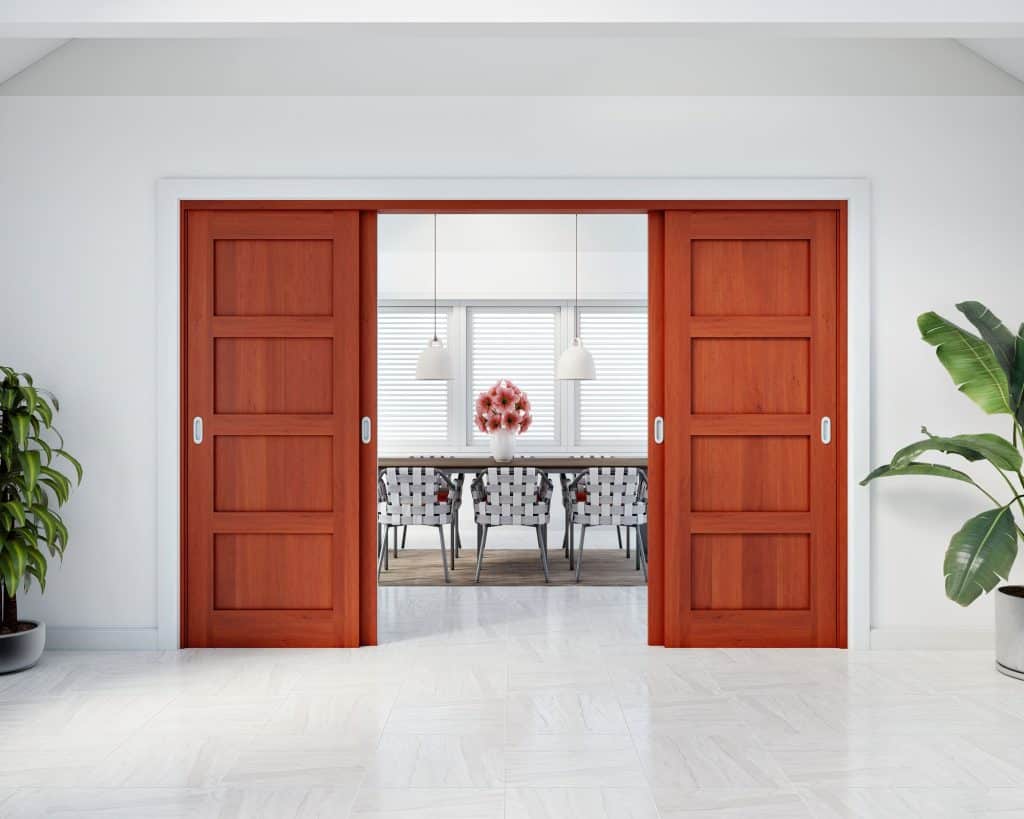
Wider internal openings are gaining favour because they improve flow and make rooms feel more generous. Double cavity systems and bi-parting layouts support that preference, especially between kitchens, lounges, and dining areas. When open, the transition feels broad and easy. When closed, zones still retain definition.
Accessibility
Ease of movement is shaping specifications more clearly than before. Sliding formats remove the sweep area needed by hinged doors, which helps furniture placement and circulation. That benefit supports ageing in place, pram access, and day-to-day convenience in tighter rooms.
Everyday Ease
Lower-effort operation matters too. Better rollers, stable tracks, and soft-stop mechanisms make panels easier to control for children, older residents, and frequent users. Good design here feels subtle, yet its value becomes obvious after repeated daily use.
Custom Details
Personalisation is moving past colour alone. Homeowners are requesting full-height panels, integrated towel rails, concealed jamb details, and doors fitted to existing openings. These choices help a system feel intentional rather than added late. Small details often determine whether the final look feels ordinary or resolved.
Sustainability
Material quality now carries more influence in buying decisions. Longer-lasting components, repairable hardware, and locally made joinery appeal to households that want durable value. Timber sourcing, steel reinforcement, and reliable runners all matter here. A well-built unit reduces replacement cycles and supports steadier performance over time.
Conclusion
Current cavity sliding door trends point to a simple idea. Contemporary homes want more function from less space, with calmer visuals and better comfort built into everyday movement. Flush forms, warmer materials, larger openings, and quieter hardware all support that goal. As layouts continue to tighten and room use becomes more varied, these systems offer a practical answer that feels polished, flexible, and highly suited to modern living across New Zealand.