
Introduction
Commercial buildings face steady pressure to control temperature, maintain hygiene, reduce noise, and keep movement efficient. Entry points often create the largest gap between those goals and daily reality. Plastic strip doors offer a practical fix because they separate spaces without blocking people, trolleys, or forklifts. Across food sites, warehouses, retail back rooms, and healthcare areas, they help businesses protect products, improve comfort, and keep operations moving with less waste.
Better Climate Control
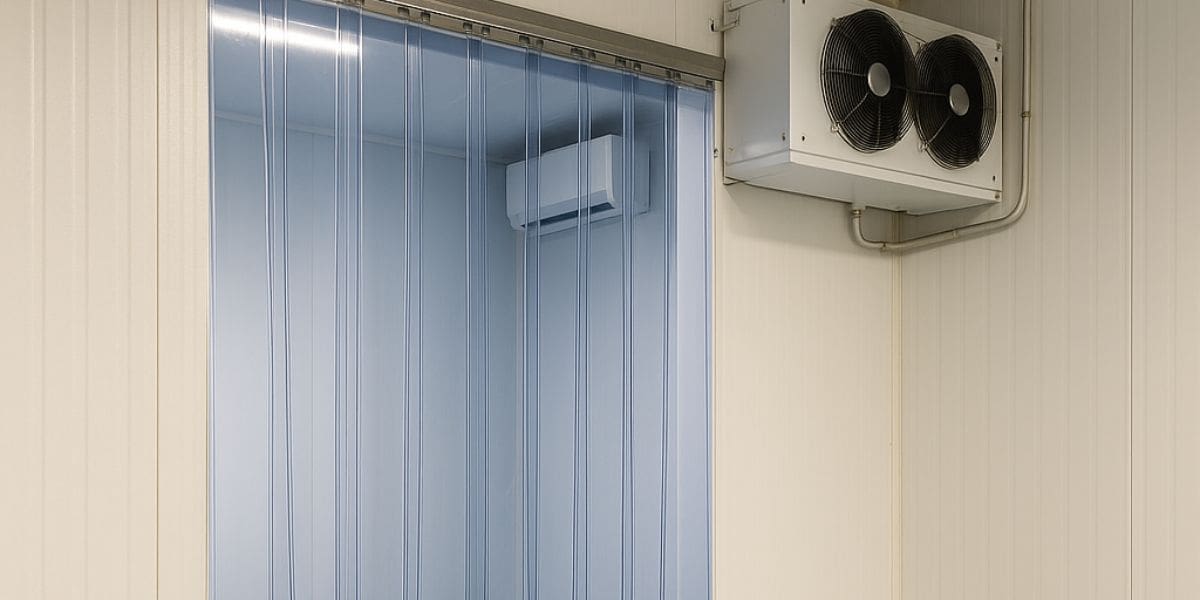
In busy facilities, open doorways let cooled or heated air escape within seconds, raising energy use and weakening indoor stability. Installing Plastic Strip Doors helps reduce that exchange while still allowing smooth movement between zones. Clear flexible panels create a barrier that supports cold rooms, loading areas, kitchens, and storage spaces where steady temperature levels matter for stock quality, staff comfort, and equipment performance.
Lower Energy Costs
Air loss usually forces cooling and heating systems to work harder than necessary. That extra strain raises running costs over time. Strip barriers reduce drafts and support more stable internal conditions. Businesses often see value through lower power demand, fewer sharp temperature swings, and less stress on refrigeration units. Over months, that efficiency can support tighter budgeting and more predictable utility spending.
Cleaner Internal Spaces
Dust, fumes, and airborne particles can move quickly through wide openings. A flexible barrier slows that spread and helps separate cleaner zones from dirtier ones. This matters in food handling, workshops, dispatch areas, and medical supply rooms. Staff can pass through without touching handles, which also reduces contact points. Cleaner movement paths support stronger housekeeping standards and help facilities maintain a tidier environment.
Pest Control Support
Flying insects and small birds often enter through loading bays, rear doors, and service entries. Strip curtains create a visible barrier that discourages access while keeping traffic flow active. For sites storing food or packaging, that added control supports hygiene routines. Teams can combine strip systems with cleaning schedules and other deterrents to improve results without creating a hard physical block.
Safer Traffic Flow
Forklifts, pallet jacks, and staff need quick access through shared openings. Traditional solid doors can slow movement and reduce visibility at busy crossings. Clear strips allow users to see shapes and motion before entry, which may lower collision risk. They also swing back into place after passage. That simple action keeps the opening protected without requiring staff to stop, pull, or close anything manually.
Noise Reduction
Many commercial sites deal with constant sound from compressors, traffic, machinery, or preparation areas. Full soundproofing is rarely practical at every opening. Strip doors help soften noise transfer between adjacent zones, making work areas feel less harsh. Reduced sound spill can improve concentration, support communication, and create a more comfortable setting for staff. In customer-facing spaces, that quieter feel can also improve the overall experience.
Flexible Use Across Sectors
These systems suit more than one type of building, which makes them a useful option for varied operators. Warehouses use them at dispatch points. Restaurants fit them near cool rooms. Supermarkets place them in storage areas. Hospitals value separation between service zones. Because strips come in different widths, thicknesses, and finishes, businesses can choose a setup that fits traffic volume, temperature demands, and visibility needs.
Easy Maintenance
Commercial teams usually prefer upgrades that do not create complex upkeep. Strip doors meet that need because the parts are simple and accessible. Individual panels can often be replaced without changing the full assembly. Routine cleaning is straightforward, which helps maintain clarity and hygiene. With suitable material choice, businesses can keep the system working well in chilled spaces, high-traffic entries, or areas exposed to dust and moisture.
Product Protection
Temperature shifts, dust exposure, and pest entry can all affect stored goods. That risk grows in places handling fresh food, pharmaceuticals, packaging, or sensitive materials. Strip barriers help shield stock by limiting outside influence at key openings. Better separation can support shelf life, reduce contamination concerns, and protect presentation standards. For businesses managing margin closely, fewer damaged goods can make a meaningful operational difference.
Conclusion
Plastic strip doors give commercial buildings a practical way to improve control at busy openings. They help reduce energy loss, support hygiene, soften noise, and keep people and equipment moving with less interruption. Their value comes from simple function rather than complicated technology. For businesses that need cleaner, safer, and more efficient internal flow, this type of doorway barrier remains a smart solution with clear daily benefits.