Introduction
Meth contamination can linger on walls, ceilings, floors, and fittings long after drug use or production stops. That residue can affect health, property value, tenancy, and insurance outcomes. Owners, landlords, agents, and buyers often need clear answers before a building can be used again. Professional remediation gives a controlled path from concern to clearance, with testing, cleaning, disposal, and follow-up checks handled through a documented process that reduces uncertainty.
Hidden Residue Risks
Residue from methamphetamine can spread through smoke, dust, porous materials, and ventilation paths. Surface wiping rarely addresses that wider pattern. Property owners often turn to Meth Decontamination Cleaning Services after failed cleaning attempts, tenant complaints, or pre-sale testing. A trained crew can trace affected areas, separate clean zones from unsafe spaces, and manage each stage with a method that supports safer occupancy decisions.
Health Protection Matters
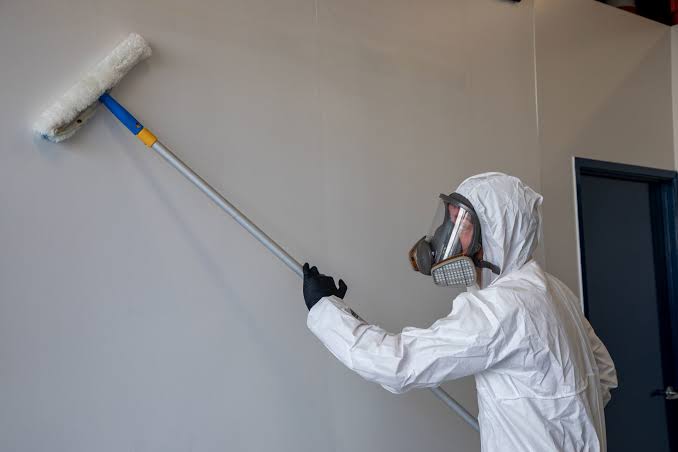
Meth residue exposure has been linked with headaches, skin irritation, breathing trouble, and general discomfort. Children can face higher risk because they touch more surfaces and spend time near floors. Professional cleaners use protective gear, controlled handling, and approved products during remediation. That lowers direct exposure during the job and helps prevent residue from spreading into unaffected rooms, stored goods, or shared building areas.
Accurate Scope Saves Money
Professional assessment helps define the real extent of contamination before major work begins. That matters because hidden residue can sit inside porous items, textured finishes, and soft materials. A proper scope avoids two expensive mistakes, over-cleaning safe areas, and missing affected sections that later fail testing. Clear scoping also supports budgeting, contractor planning, and discussions with insurers, tenants, purchasers, or property managers.
Proper Methods Beat DIY
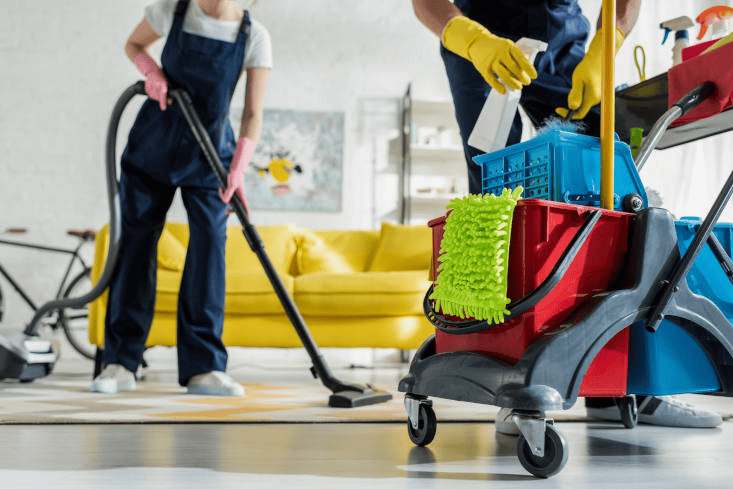
Do-it-yourself cleaning often focuses on visible grime, not chemical contamination. Standard household products may smear residue, push particles into new areas, or damage surfaces without removing the problem. Professional crews follow a sequence that includes assessment, containment, removal, washing, disposal, and verification. Each step has a purpose. That structure gives better consistency than ad hoc efforts carried out without training, controls, or suitable safety equipment.
Compliance Supports Trust
In New Zealand, clients often look for work aligned with recognised industry rules. Compliance matters because remediation affects habitability, disclosure, and future use. Documented cleaning records and post-remediation results can help reassure buyers, tenants, lenders, and agents. A clear paper trail also reduces disputes. People involved in a transaction can see what was done, why it was done, and whether the property passed final checks.
Clearance Testing Adds Proof
A property may look clean while residue remains present. Visual inspection alone cannot confirm safety. Professional remediation usually includes testing before work, then testing after treatment. Those readings help show whether surfaces meet the required standard. Evidence matters during a sale, lease renewal, or insurance review. Numbers provide stronger support than opinion, and they give all parties a common basis for decisions about access or occupancy.
Faster Recovery for Properties
Vacant properties cost money through lost rent, delayed sales, and stalled renovation schedules. A qualified team can move faster because the process is already organised. Equipment, labour, safety controls, and disposal steps are prepared in advance. That coordination limits downtime and helps owners return the building to market sooner. Speed alone is never enough, yet efficient work reduces disruption while still protecting quality and traceable results.
Protection for Reputation
Meth contamination can create stress for landlords, agencies, and vendors because public confidence drops quickly once concerns surface. Professional handling helps protect reputation by showing that the issue was taken seriously and resolved responsibly. Discreet crews, clear communication, and documented outcomes all matter here. People affected by the property can see a calm response rather than confusion, guesswork, or repeated failed cleaning attempts that raise further doubt.
Conclusion
Hiring professionals gives property owners more than a clean surface. It provides tested evidence, safer work practices, documented compliance, and a clearer route back to normal use. That combination protects health, limits financial loss, and supports trust across sales, rentals, and management decisions. For any site with suspected meth residue, expert remediation remains the strongest option because the work demands training, control, and verification that ordinary cleaning methods rarely provide.