
Introduction
Indoor air quality shapes how people feel, think, and work across the day. Offices with hidden moisture often develop mould that releases spores and irritants into shared breathing space. Those particles can settle on desks, soft furnishings, vents, and ceilings without early visual warning. Once growth spreads, staff comfort drops, cleaning becomes harder, and building managers face a larger health and maintenance problem that rarely stays limited to one room.
Why Offices Face Risk
Commercial buildings often trap moisture in ceiling voids, carpet underlay, window frames, and air systems. In Adelaide, changing temperatures can create condensation indoors, especially where ventilation is poor. That pattern explains why discussions around Mould Remediation in Adelaide matter for workplaces seeking cleaner air, lower particle spread, and safer conditions after leaks, humidity spikes, or flood-related dampness.
Spores Move Easily
Mould spores are tiny and light, so they travel through rooms with little resistance. Staff clothing, cartons, indoor plants, and ordinary airflow can carry them from one area into another. Once moisture appears, colonies can grow on porous and hard surfaces. Air quality then declines because spores and fragments keep circulating during normal daily activity.
Moisture Starts the Cycle
Leaks are an obvious trigger, yet condensation also drives fungal growth in many offices. Warm indoor air meeting cooler glass or walls leaves damp patches behind. Break rooms, storage spaces, and poorly vented bathrooms are common trouble spots. If that moisture remains, surfaces stay wet long enough for spores to settle, feed, and expand across hidden sections.
Air Quality Falls Fast
Poor indoor air can affect concentration, comfort, and confidence in the workplace. Employees may notice stale smells, throat irritation, headaches, or a heavy feeling in certain rooms. Those signs do not confirm one single cause, yet mould is a frequent contributor when dampness is present. Early remediation limits exposure and stops contamination from spreading deeper into occupied areas.
Why Removal Alone Is Not Enough
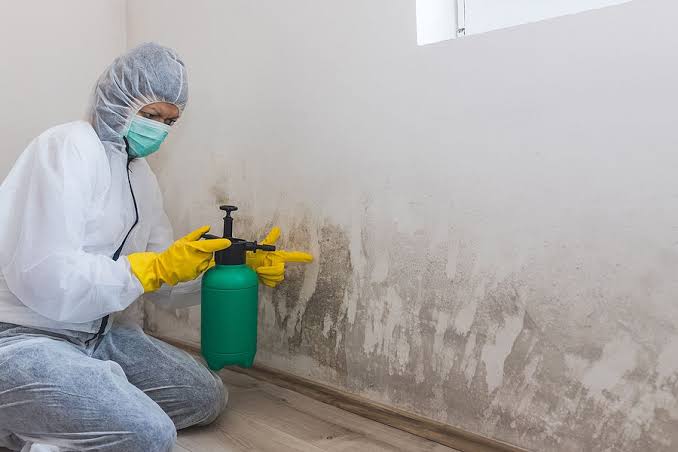
Wiping visible patches may improve appearance, yet it rarely fixes the actual source. Spores can remain in cavities, soft materials, and nearby air pathways. If moisture stays untreated, growth often returns. Effective remediation combines surface treatment, spore control, and practical advice on humidity reduction. That broader approach improves results because it addresses both contamination and the conditions feeding it.
A Data Point Worth Noting
The inspected Bensons Cleaning Adelaide page states that 25% of the earth’s biomass consists of mould and mould spores. That figure helps explain why elimination is difficult without structured control. Spores are already present in ordinary environments. Workplaces improve outcomes by reducing water entry, spotting dampness early, and treating contamination before it reaches larger sections of the building.
Detection Matters
Hidden growth often sits behind furniture, inside wall cavities, or near vents where staff rarely look. Thermal imaging and moisture detection can help identify damp areas before damage becomes severe. That matters because treatment decisions improve when technicians know where water has collected. Accurate detection also reduces guesswork, which can save time and limit disruption across busy commercial premises.
Ventilation Supports Recovery
Fresh air movement helps lower humidity and reduces stagnant indoor conditions. Still, ventilation alone will not solve an active mould issue. Remediation clears present contamination, while better airflow helps prevent recurrence later. Building managers often need both measures working together. Cleaner ducts, drier surfaces, and balanced air exchange create a more stable indoor setting for staff and visitors.
Shared Spaces Need Priority
Meeting rooms, reception areas, and open-plan floors deserve early attention because many people use them every day. A small patch near a return vent can influence air beyond its starting point. Remediation in these zones protects more occupants at once. It also supports business continuity, since poor air quality in central spaces can affect daily operations more than isolated storage areas.
Prevention After Treatment
Long-term improvement depends on what happens after the initial clean-up. Maintenance teams should monitor leaks, inspect seals, dry wet materials quickly, and review ventilation performance during seasonal changes. Cleaning plans also need to consider furnishings, curtains, and carpets that may hold spores. When post-treatment habits stay consistent, indoor air remains cleaner and future outbreaks become less likely.
Conclusion
Mould remediation improves workplace air quality by removing active contamination, reducing airborne spores, and correcting the damp conditions that allow regrowth. Offices benefit when treatment goes beyond cosmetic cleaning and includes detection, moisture control, and practical prevention steps. The inspected Adelaide service page also highlights spore neutralisation and humidity advice, which reflect the broader principle that healthier indoor air depends on both removal and ongoing building care.