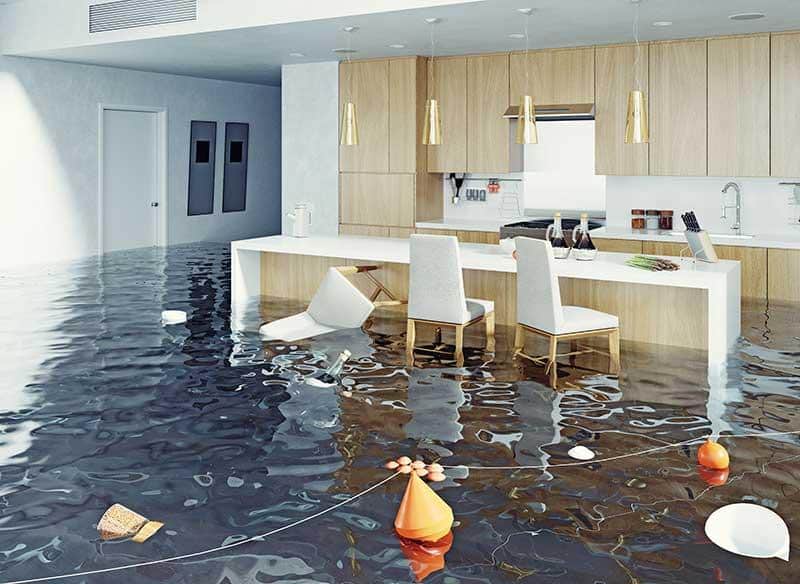
After sustained periods of heavy rain, homes can be left flooded; as you try to get your life back on track, knowing where to begin can be difficult. This is why flood restoration must be carried out as quickly and effectively as possible to ensure safety and eliminate extensive damage. Below is a complete guide that will help every homeowner to deal with flood restoration after a flood.
Safety First
Make sure you are safe and your family is before starting any restoration. Flood water may be contaminated with sewage, chemicals or other pathogens like tuberculosis. Use protective gear, such as gloves and boots, by not having direct contact with stagnant water. When it comes to the safety of your home.
Turn Off Utilities
Electrical systems become compromised from floodwater which creates immediate dangerous electrocution hazards. Shut the power, gas and water supply if it is safe to do so. If in order to reach the electric panel you have to stand in water, Never try turning off the power. Instead, reach out to a licensed electrician to help with the proper disconnection.
Document the Damage
Take photos of the property for insurance purposes before you begin to clean. Capture photo or video evidence of impacted regions such as walls, floors, furniture, and belongings from any damage that occurs. Having a detailed visual record will assist with the claims process when you file it with your insurance provider and may speed up that process as well.
Water Removal
Start the water extraction process as soon as it is safe to do so. Remove all standing water using buckets, pumps, and/or wet/dry vacuums. The longer the water remains, the more damage it can cause to the home’s contents and structure. Acting quickly is critical, as mold and other damage can begin to develop.
Dry the Affected Areas
After the water has been removed, it is important to get your home dried out promptly. Open your windows and doors to allow air to flow. Make use of fans, dehumidifiers, and heaters to dry the drying course of. All spaces, even the ones that are hidden such as wall cavities must be dried completely to avoid the growth of molds.
Clean and Disinfect
Flood waters often bring with them disease-causing bacteria and microbes. Wash all affected areas to remove dirt and contaminants. To sanitize surfaces, utilize disinfecting agents with special attention to kitchen and bathroom areas along with items or surfaces that are touched frequently.
Dispose of Irreparable Items
Sadly, the flooding may have damaged some things beyond repair. Many absorbent materials (carpets, mattresses, etc.) may have to be thrown out if they cannot get cleaned and dried properly. To avoid mold and bacteria, dispose of it properly
Inspect for Mold
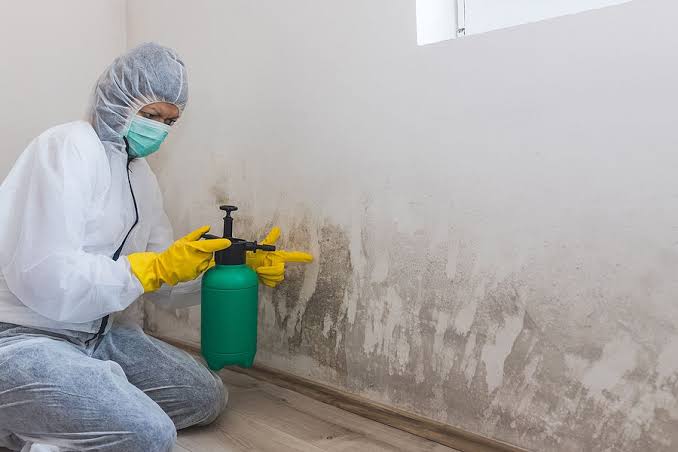
If water is not removed immediately mold can begin growing in 24 to 48 hours and that can bring health risks and more damage. Look for signs of mold in your home, which could include color changes or smells. If you’ve found mold, you’ll likely need a pro to come in and do it safely and properly.
Repair and Restore
Once your home has been cleaned and dried, it is time to complete the repair and restoration process. Which could be drywall, flooring, insulation; and electrical systems, plumbing repairs. Start with the most severe repairs, such as structural concerns first.
Seek Professional Help
In some cases, the damage may be just too much to handle on your own. When homeowners in New Zealand choose to call in qualified flood restoration services in Tauranga, they can be assured that experienced and trained technicians will see the task through with a team of specialized equipment. With the help of professionals, you can get full-on washing service as well as repair and sanitation to make your home safe again.
Prevent Future Flooding
Once your home is repaired, tackle the problem at its source to make your property less vulnerable to flooding. These can involve installing sump pumps, enhancing drainage systems, or raising vital utilities. Carry inspection of your premises and property on a regular basis to keep these systems intact.
Communicate with Your Insurance Company
Keep your insurance company informed throughout the restoration process. Give them a detailed account of the destruction with plenty of pictures and receipts for money spent to repair things damaged by flooding. Knowing what your policy covers, though, can help speed along those claims so that you get paid your due.
Conclusion
Confronting a home full of water is overwhelming, but the sooner you put an effective plan into action, the easier it will be to prevent damage and ensure your living space is safe. You should take appropriate care, use the correct methods to remove and dry the water from your belongings, and consider seeking professional help when required. With these flood restoration tips in mind, as well as taking advantage of professional-grade flood restoration services Tauranga home owners can easily take care of any devastation caused by flooding and get their homes back on the path to being safe and healthy once again. They will also serve as a safeguard against further flooding episodes, giving you peace of mind and safety for tomorrow.