
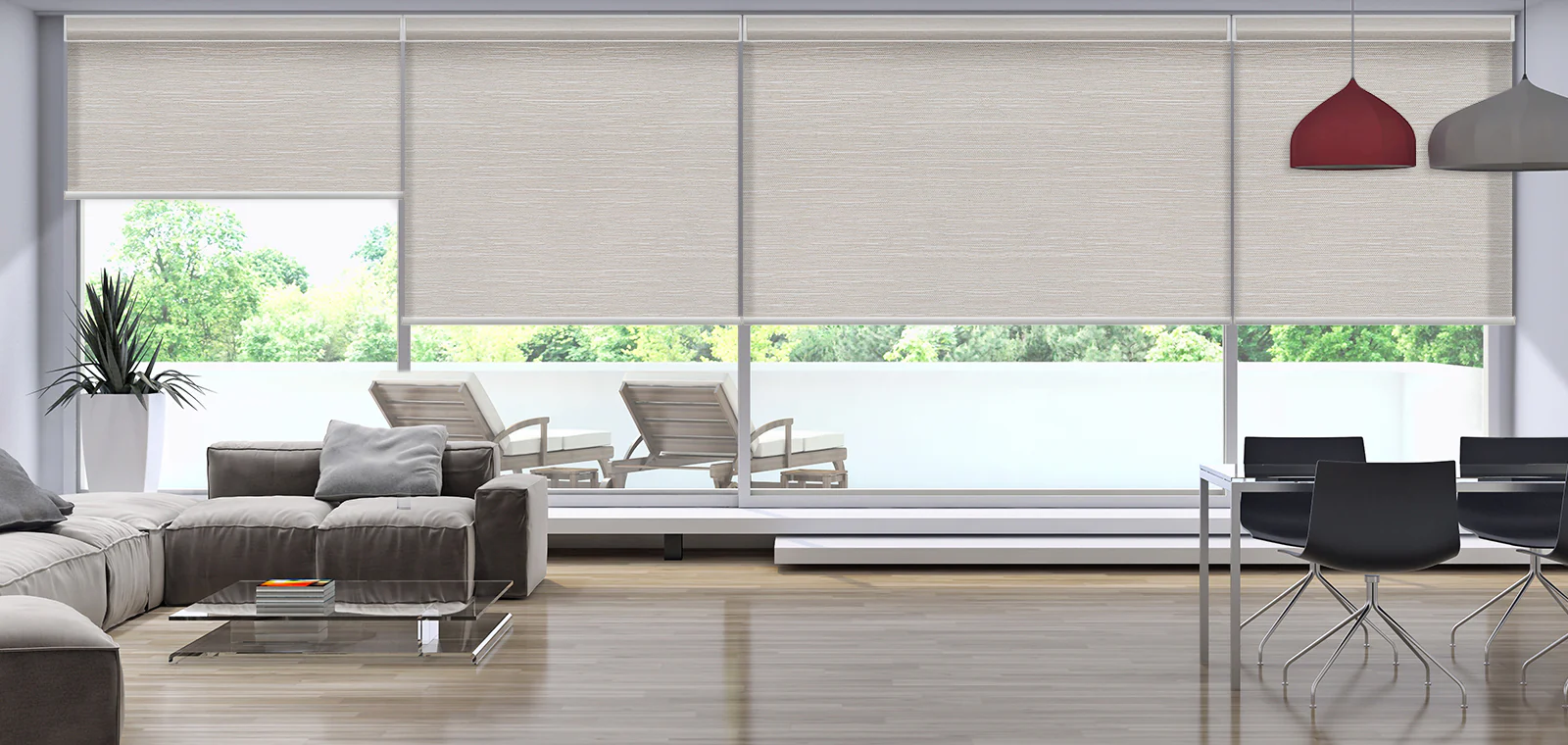
Indoor light patterns influence circadian rhythm, visual comfort, and stress load, yet many households live with glare, uneven brightness, or late-night light spill. Roller blinds offer a clean way to tune daylight without changing the room’s layout. With the right fabric and a close fit, they can soften harsh contrast, protect privacy, and reduce heat-driven discomfort. More stable lighting supports better sleep timing, steadier focus, and calmer shared spaces.
What Light Control Means
‘Light control’ refers to managing intensity, direction, and timing of daylight inside a room. Excess brightness can trigger squinting, headaches, and screen reflection, while underlit spaces can strain accommodation during reading. Privacy also shifts with sun angle, so control needs more than an open-or-shut option. Small adjustments help keep movement safe near stairs and hallways. Steadier illumination supports routines, from desk work to evening wind-down.
Why Roller Blinds Help Most Rooms
Many households researching roller blinds Melbourne are looking for dependable adjustments that suit real daily rhythms. A single fabric panel covers glass evenly, reducing bright bands that slip past pleats and folds. The mechanism allows quick changes as the sun moves, which matters during remote work, naps, and meal prep. With an appropriate textile, one window can shift from soft daylight to deeper dimming.
Fabric Openness Changes Brightness
Fabric openness determines how much daylight passes through a weave. Tighter construction blocks more rays and reduces high-contrast glare, while looser materials keep a view and gentle ambient light. Colour influences comfort as well, since darker tones absorb more visible light and can lower reflections. Openness should match the room’s task, so a study avoids washout on screens, while a lounge stays bright without sharp glare patches.
Blockout Fabrics Reduce Sleep Disruption
Blockout fabrics limit incoming light, which supports melatonin timing and can reduce early waking in bright seasons. Bedrooms facing street lighting or sunrise often need stronger shielding at the windowpane. Better darkness can help sleep feel more continuous, especially for shift workers or light-sensitive children. Media rooms also benefit because reduced stray light improves contrast and lowers eye fatigue. Fit at edges matters since side glow can feel intense at night.
Screen Fabrics Lower Glare While Keeping View
Screen fabrics filter intense daylight while keeping outward visibility, which can reduce the closed-in feeling some people notice with heavier coverings. Living areas often need that balance because glare on floors and tables can drive eye strain and visual discomfort. By moderating ultraviolet exposure, screen materials may also slow the fading of fabrics and finishes. This approach suits daytime spaces where privacy needs change across hours, yet natural light remains welcome.
Dual Roller Setups Support Day and Night
Dual roller systems pair two layers, often a light-filtering sheet with a darker layer behind it. Daytime use can favour even illumination for cooking, reading, or play, while evening needs shift to privacy and dimmer conditions for winding down. Switching layers is faster than rearranging curtains or adding temporary covers. Flexibility helps across seasons, and shared rooms benefit because light can be adjusted in smaller steps without major visual change.
Fit and Side Gaps Matter
Even high-performing textiles lose value when gaps allow light to leak around edges. Accurate measuring reduces top, side, and sill spill that creates bright lines on walls and can disturb sleep. Recess mounting can tighten coverage when a frame is deep enough. Outside mounting can cover more area and improve privacy on shallow frames. Hardware alignment also counts, because a skewed roll can leave uneven edges that invite stray beams.
Orientation and Room Function Guide Choices
Window direction affects both glare and heat load. East-facing rooms often need softer morning control, while west-facing areas may need stronger late-day reduction to prevent eye discomfort. Work zones benefit from filtering that lowers reflection on monitors. Kitchens often need wipe-clean materials that manage brightness without trapping vapours. Nurseries commonly do best with a darker option for naps plus a lighter layer for play. Matching use to fabric reduces constant tinkering.
Thermal Comfort Supports Better Indoor Lighting
Light and heat often arrive together, so managing solar gain can improve comfort and the way a room feels visually. By reducing direct sun, roller blinds can limit hot spots that raise heart rate and irritability during warm months. When temperature is steadier, people rely less on harsh overhead lighting to compensate for discomfort. Glare control also makes lower lamp levels feel adequate, easing evening transition and supporting routines that depend on calm, consistent light.
Conclusion
Roller blinds improve indoor light control through simple operation and fabric choices that match physiology and daily tasks. Openness, colour, and fit influence glare, privacy, and the darkness needed for sleep. Dual layers add practical flexibility, letting rooms shift from filtered daylight to deeper dimming without changing treatments. With careful measuring and choices based on window direction, households get steadier lighting across the day. More stable illumination supports rest, focus, and comfort in our shared spaces.