A renovation deserves flooring that feels right underfoot, holds its shape, and supports the way a household actually lives. Timber can add warmth, acoustic softness, and lasting value, yet quality differs greatly between species, construction types, coatings, and grades. Careful selection begins with room use, subfloor condition, sunlight exposure, and budget. With a few practical checks, homeowners can avoid costly mistakes and choose boards with confidence.
Start With Local Supply
Local suppliers give renovators a clearer sense of colour, texture, board profile, and finish before money changes hands. A search for timber flooring near me can point homeowners to nearby showrooms where samples can be viewed under real lighting. That visit helps reveal grain variation, surface sheen, edge detail, and how each board may sit beside cabinetry or paint.
Know the Main Timber Types
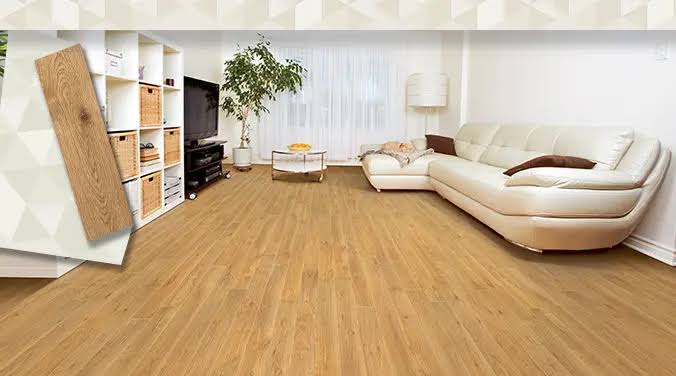
Solid timber comes from a single piece of wood and can usually be sanded many years later. Engineered boards use a genuine timber surface over layered backing, which helps limit movement. Laminate offers a printed wood look at a lower price. Each product suits different rooms, budgets, and expectations, so the structure matters as much as appearance.
Match Timber to the Room
High-use areas need boards that tolerate shoes, chairs, pets, and regular cleaning. Bedrooms can carry softer tones and quieter finishes without the same abrasion risk. Damp zones need extra care because timber expands as moisture rises. Homeowners should confirm whether the product suits concrete, plywood, or existing boards before ordering.
Check Species and Hardness
Species choice affects colour, grain, density, and dent resistance. Spotted Gum, Blackbutt, Tasmanian Oak, and European Oak each bring a distinct appearance. Hardness ratings help compare how well boards resist pressure from heels, furniture, and daily traffic. Samples should be placed beside joinery, wall paint, stone, and fabric before a final decision.
Read the Product Grade
Grade describes visual character, not simple quality. Select grades usually show cleaner faces, steadier colour, and fewer knots. Natural grades include more variation, gum veins, and feature marks. Rustic boards show stronger contrast and a more character-rich surface. The right grade depends on whether the renovation needs calm consistency or expressive timber detail.
Inspect Finish Options
Finish controls sheen, maintenance, and surface feel. Matte coatings disguise small scuffs better than glossy finishes. Satin sits between soft reflection and easy cleaning. Oil can feel more natural, although it may need scheduled care. Factory-coated boards often provide even coverage. Before purchase, buyers should ask about scratch resistance, cleaning products, and future recoating.
Measure Board Dimensions
Board width and length change how a room reads. Wide boards can make open areas feel settled and generous. Narrow profiles may suit compact rooms or period homes. Thickness affects sanding potential, door clearance, and floor height transitions. Engineered flooring also needs a clear wear layer measurement, since that surface limits future sanding.
Review Installation Needs
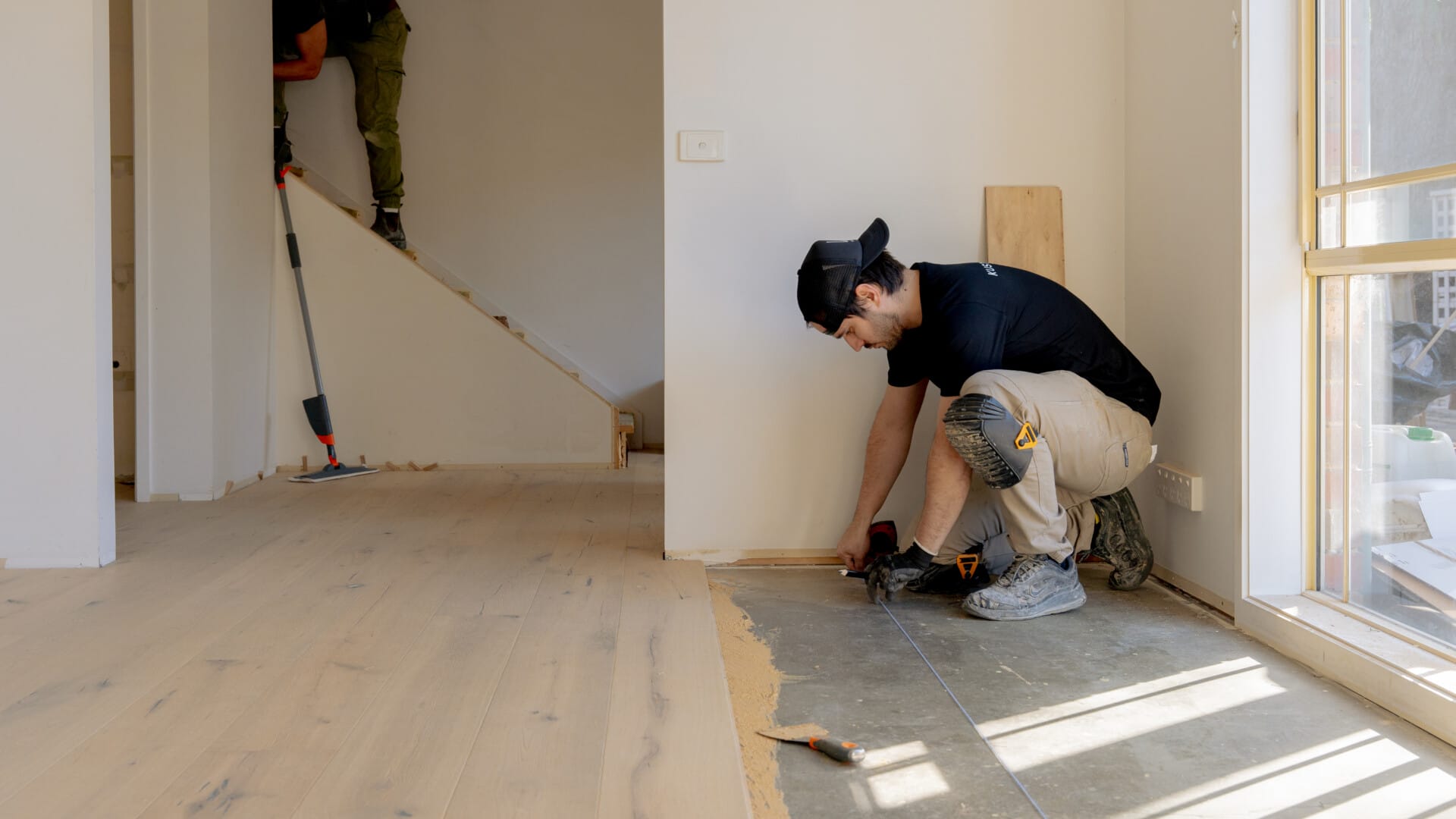
Quality boards still depend on sound installation. Floating, direct-stick, and nail-down methods each require suitable subfloor preparation. Apartments may also need acoustic underlay. Expansion gaps are essential because timber moves with humidity. A reliable supplier should explain moisture testing, adhesive choice, trims, preparation, and likely labour costs before the order is placed.
Compare Samples at Home
Showroom lighting can hide tones that appear obvious at home. Samples should be checked in morning light, afternoon shade, and evening lamps. Placing boards near skirting, furniture, and wall colours can prevent clashes. Larger samples are worth requesting because they show grain spread, colour range, and finish reflection with better accuracy.
Ask About Care
Care requirements should match daily routines. Many timber floors need soft brooms, pH-suitable cleaners, felt pads, and quick spill removal. Oiled surfaces may need periodic refreshing. Children, pets, sand, and dragged furniture increase wear. Clear instructions help protect the coating and reduce preventable damage. Warranty conditions should also list approved cleaning methods.
Check Warranty Details
Warranty value depends on the fine print. Homeowners should read coverage for manufacturing faults, finish wear, moisture damage, and installation-related failure. Many claims require correct subfloor testing and approved maintenance products. Written records matter, including receipts, batch details, installer notes, moisture readings, and care guides. These documents support future service questions.
Balance Price and Value
Low board prices can hide extra costs. Trims, underlay, adhesive, levelling, delivery, waste allowance, and labour all affect the final figure. Better value comes from stable construction, suitable coating, accurate grading, and informed support. Comparing full project costs gives a clearer picture than looking at square metre pricing alone.
Conclusion
Quality timber flooring comes from steady comparison, not guesswork. Homeowners should assess construction, species, grade, finish, dimensions, installation method, care needs, and warranty terms before committing. Local showrooms make that process easier because boards can be touched, viewed, and compared beside real renovation materials. With careful planning and precise questions, a home can gain a floor that feels beautiful, performs reliably, and ages with grace.