Oak has lasted in home design because it offers more than surface beauty. Its grain gives movement, its colour brings warmth, and its density supports busy household routines. Modern interiors need floors that can handle foot traffic while still feeling calm and considered. Oak meets that need across open living areas, compact apartments, family rooms, and quieter spaces where natural materials set the tone.
Natural Character
Each board carries growth rings, mineral lines, knots, and gentle colour shifts. Those markings give rooms a lived-in quality without visual clutter. Many homeowners compare oak flooring with tile, laminate, or vinyl because timber adds warmth, depth, and texture. It pairs comfortably with pale paint, dark joinery, stone surfaces, wool rugs, and linen upholstery.
Easy Style Matching
Oak works across many interior styles because its base tones are balanced. Pale finishes suit coastal, Scandinavian, and pared-back rooms. Honey shades add comfort to kitchens, hallways, and family areas. Darker stains complement traditional furniture, bronze hardware, and deeper cabinetry. During renovations, this flexibility helps existing pieces continue to be useful while the floor lends each room a more settled base.
Modern Engineering
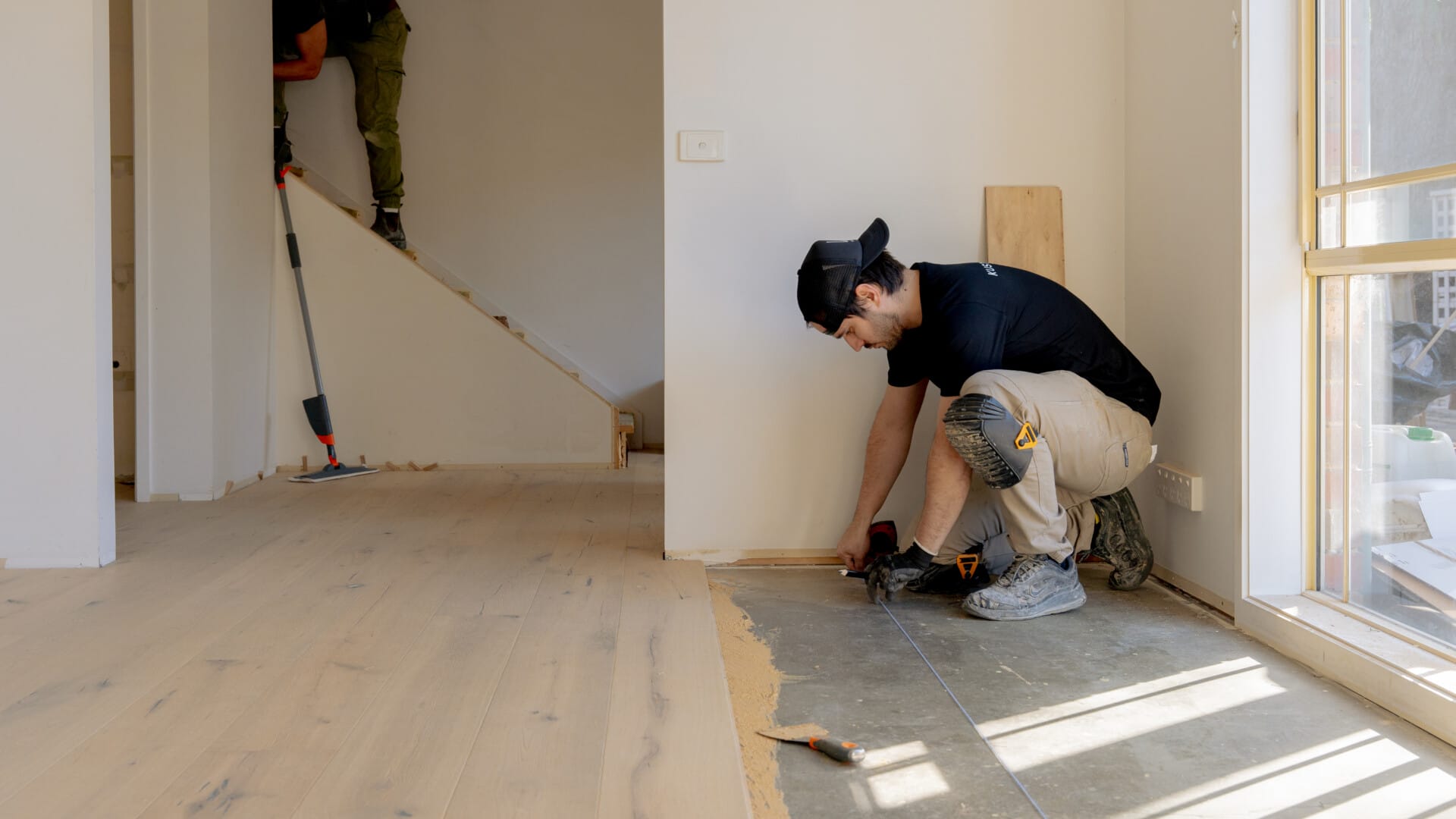
Engineered oak has made timber more practical for current building conditions. Its layered construction helps limit expansion and contraction caused by changes in humidity or temperature. A real oak surface still provides the grain and colour people expect from natural timber. This format can suit apartments, townhouses, and active households where dimensional stability matters alongside appearance.
Strong Daily Performance
A good floor must cope with shoes, chairs, pets, toys, and routine cleaning. Oak performs well because its grain is dense and its surface accepts durable coatings. A quality finish can reduce visible scuffs from normal use. No timber is immune to damage, yet oak offers a reliable balance between refinement and everyday service.
Finish Choices
Factory-finished boards give homeowners better control before installation starts. Matte coatings reduce glare and make small dust marks less obvious. Wire-brushed textures bring out grain while adding slight surface grip. Natural, whitewashed, grey, brown, and smoked tones create very different moods. Clear finish samples should be checked in the actual room light before any order is placed.
Warmth Underfoot
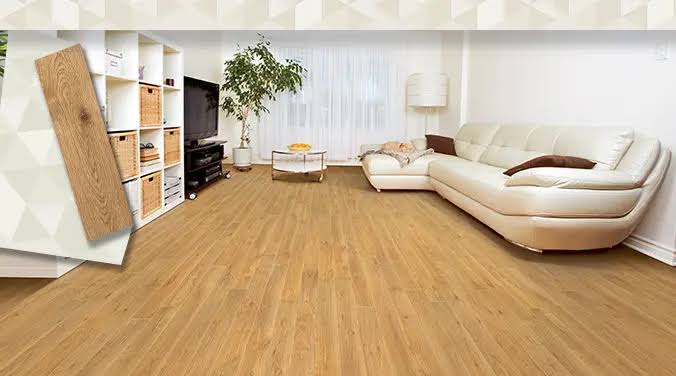
Compared with tile, concrete, or some synthetic products, oak gives a warmer visual temperature. Its natural tones can soften sharp lines in modern architecture. Bedrooms feel calmer with timber under simple furniture. Kitchens gain balance when oak sits beside stone, glass, or metal. In open-plan homes, that warmth helps separate living zones without heavy decoration.
Value Over Time
Trends move quickly, but oak rarely feels locked to one design period. That matters for owners who want a floor with long-term value. A neutral timber base can handle new wall colours, changed lighting, or different furniture later. Instead of forcing major updates, oak allows future styling decisions to have a dependable foundation.
Sustainability Factors
Material origin deserves careful attention. Many engineered boards use oak where it is seen, with supporting layers below for strength. That approach can use valuable hardwood more efficiently than solid construction. Responsible sourcing still needs proof, so certification, supplier transparency, and product documentation should be reviewed. A considered choice can balance beauty, performance, and resource care.
Maintenance Habits
Oak looks better for longer when care is regular and simple. Sand, grit, and small stones should be removed because they can abrade protective coatings. Spills need prompt wiping, especially in kitchens and dining areas. Felt pads under chairs reduce pressure marks. Timber-safe cleaners help preserve the finish without leaving a cloudy film.
Room Planning
Board width, colour, and laying direction affect how a room feels. Wider planks often suit open spaces because fewer joints create a calmer surface. Narrower boards can feel right in smaller rooms or period homes. Running boards along the longest wall may make a space appear larger. Careful planning makes the floor feel deliberate.
Common Design Pairings
Oak sits comfortably with white walls, linen fabrics, black fittings, and natural stone. It also works with muted green cabinetry, soft blue paint, and grey upholstery. Warm tones can soften crisp architectural lines. Pale finishes can brighten rooms with limited daylight. This range helps designers build balance without relying on loud materials.
Why It Lasts
Oak remains appealing because it combines texture, strength, and design freedom. It feels familiar, yet it still belongs in current architecture. Depending on finish and styling, it can read calm, rustic, rich, or refined. Few floor materials offer such broad acceptance across different homes. That range explains why oak remains a confident long-term selection.
Conclusion
Oak flooring continues to hold its place because it answers several practical and visual needs at once. It brings natural character, steady performance, and adaptable style options. Modern engineered formats make installation more suitable for varied homes, while thoughtful finishes support daily living. With sensible care and careful product selection, oak can remain attractive for many years, giving Australian interiors a warm and enduring foundation.